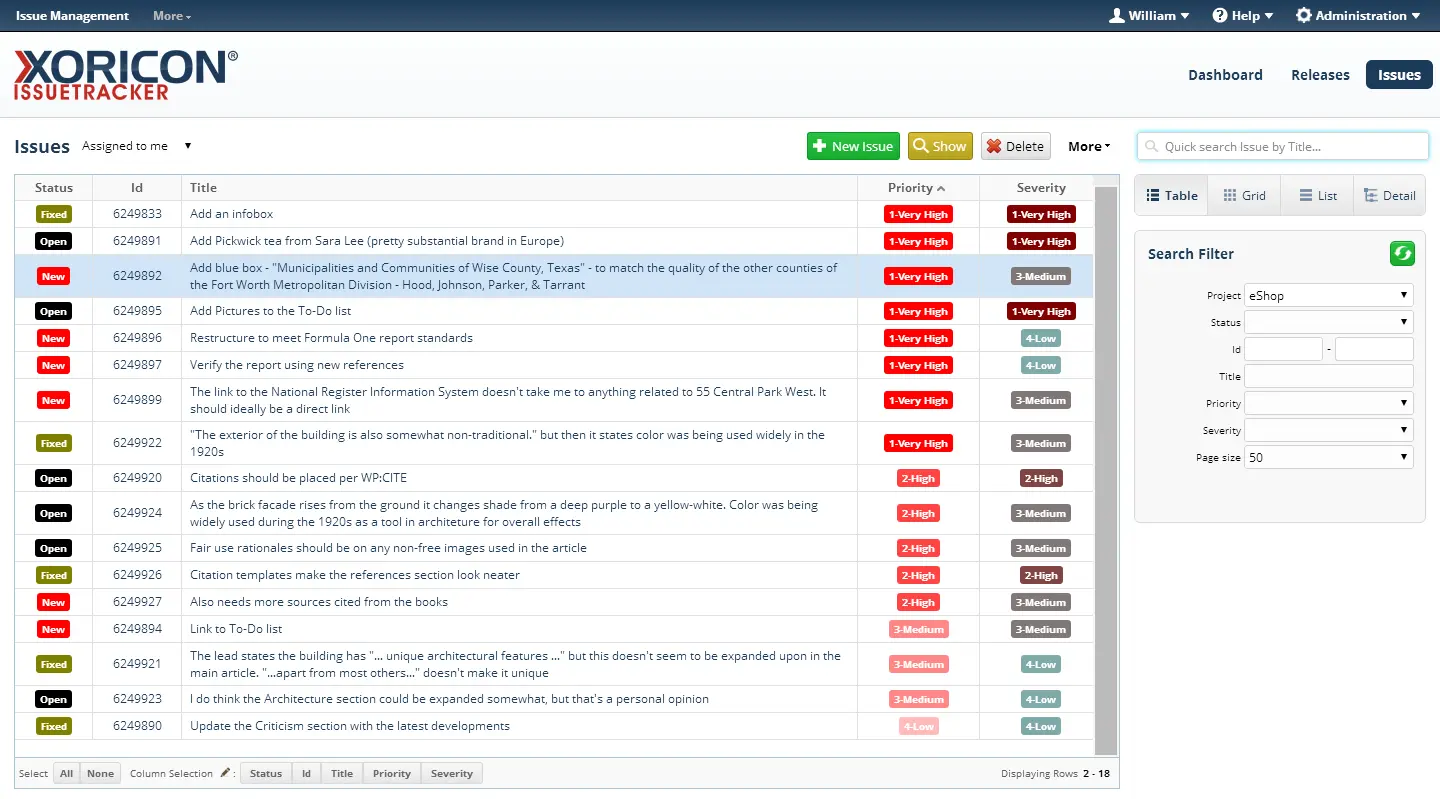
XORICON IssueTracker
Issue and ticket tracking for tasks, defects, and requests.
IssueTracker helps teams capture, prioritize, filter, and track defects, tasks, service requests, change requests, and ideas.
XORICON IssueTracker
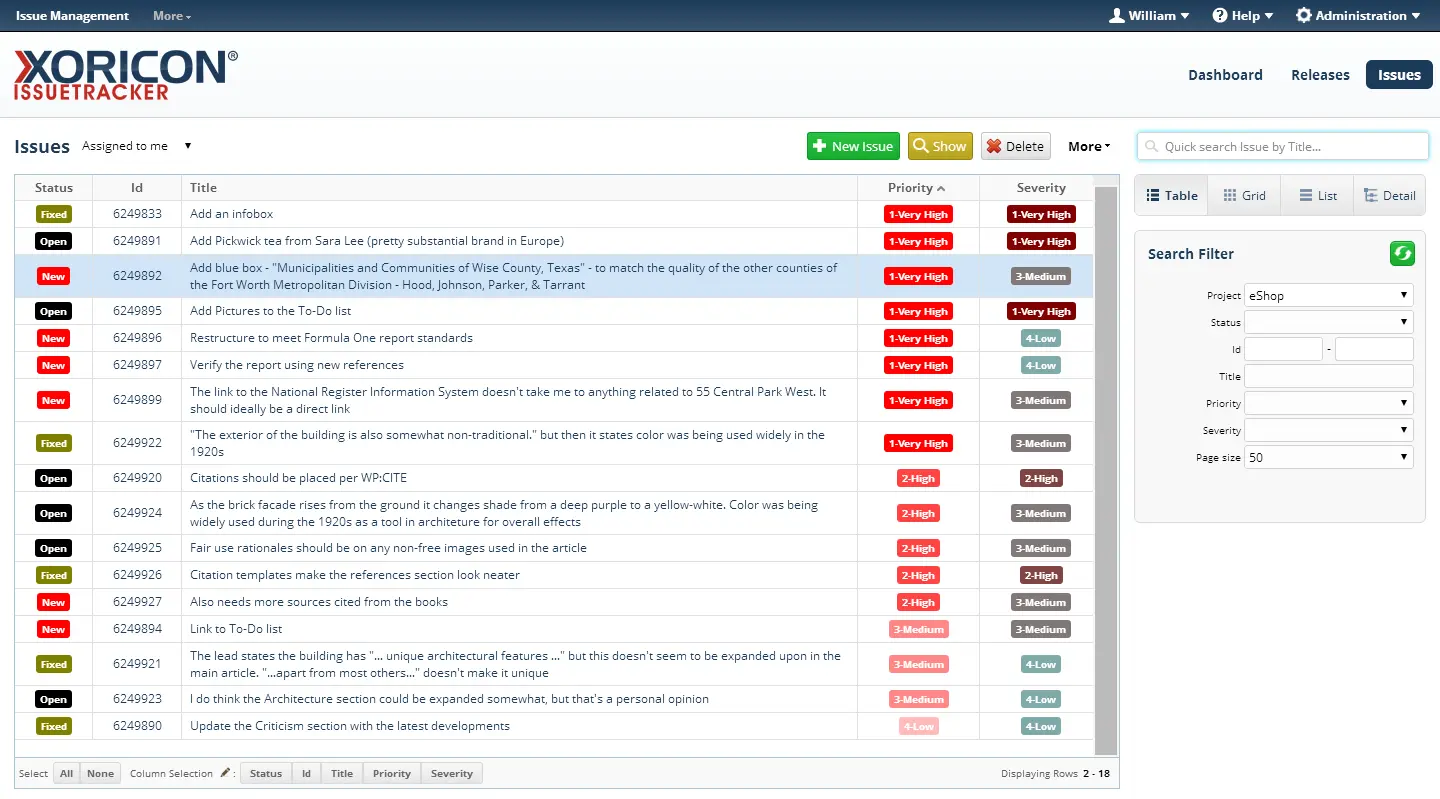
Product interface — XORICON IssueTracker
Support, development, and QA teams
Organizations with adaptable ticket processes
Teams with defect and request tracking needs
What the product covers
The core functional areas in a compact overview.
Manage tickets
Incident, change, problem, service, and feature request tickets can be created, assigned, commented, enriched with attachments, prioritized, and controlled through status, ownership, and workflows.
Use views and filters
Tables, lists, filters, worklists, and bulk updates support efficient processing of larger ticket volumes.
Model relationships
Issues can be linked to requirements, releases, cycles, or custom objects so functional context and technical work remain connected.
Control notifications
Email notifications and workflow rules keep stakeholders informed about relevant changes and support controlled processing.
Bulk updates and exports
Multiple tickets can be updated together in table views; table contents can be exported as spreadsheets for additional analysis.
Extend the data model
Custom entities, fields, and relationships support ticket processes that go beyond standard issue tracking.
In detail
Functional and technical aspects that matter in practical use.
Application views
Selected views from the existing product interface.
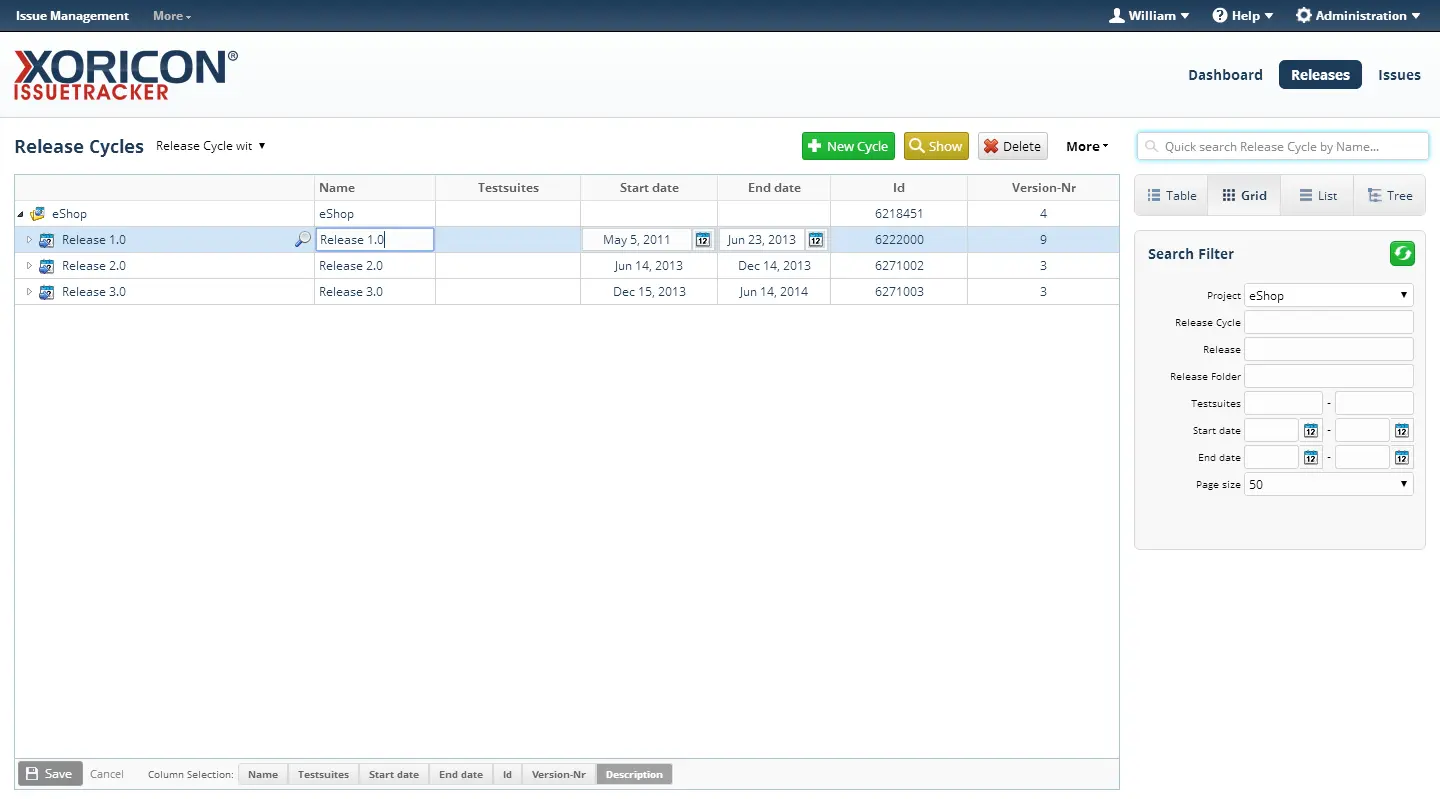
Releases
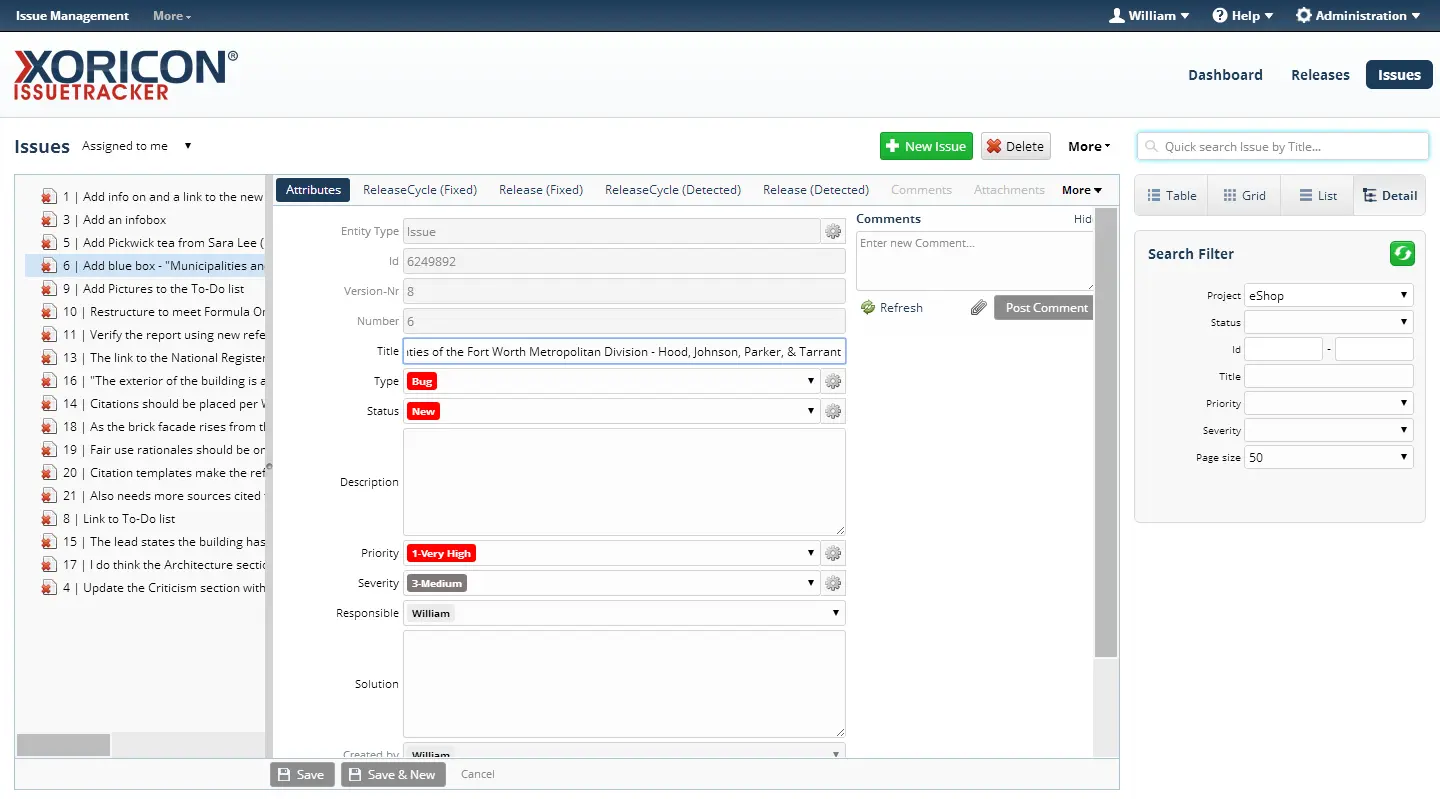
Reports
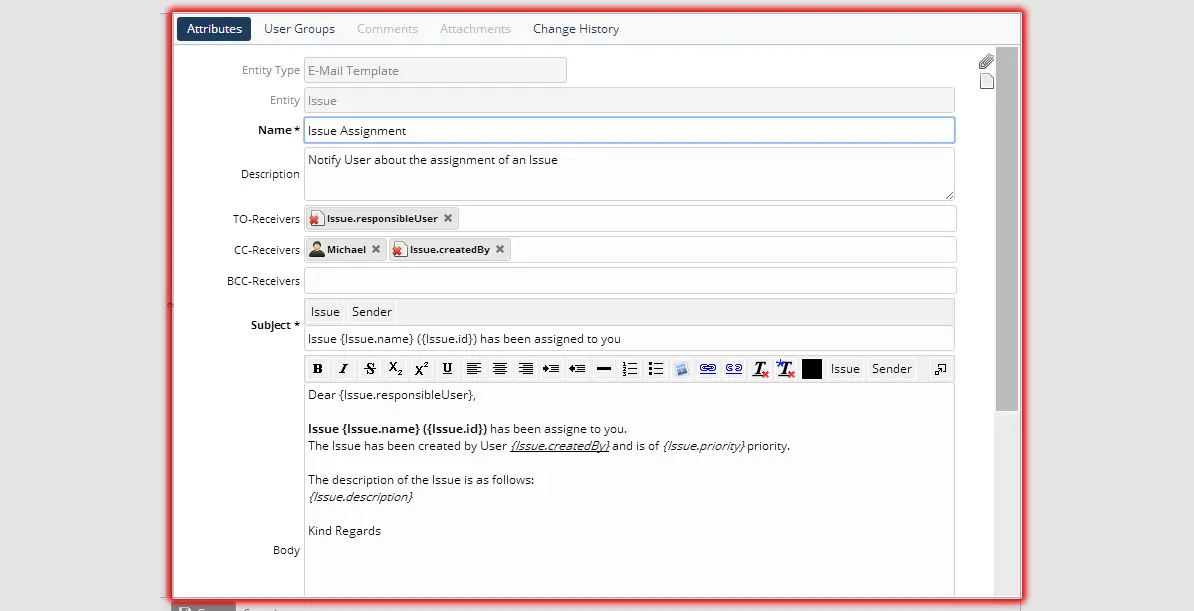
Notifications
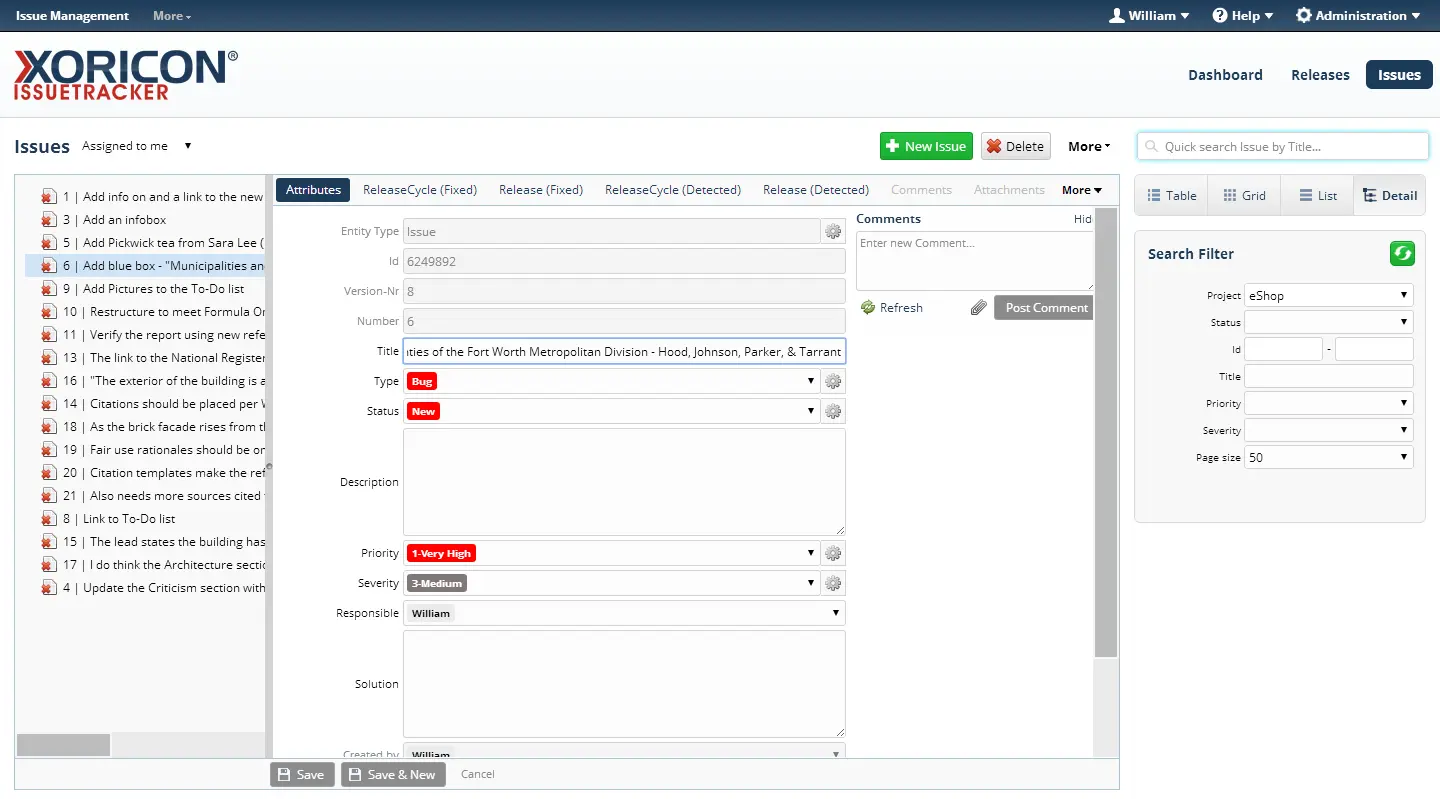
Comparisons
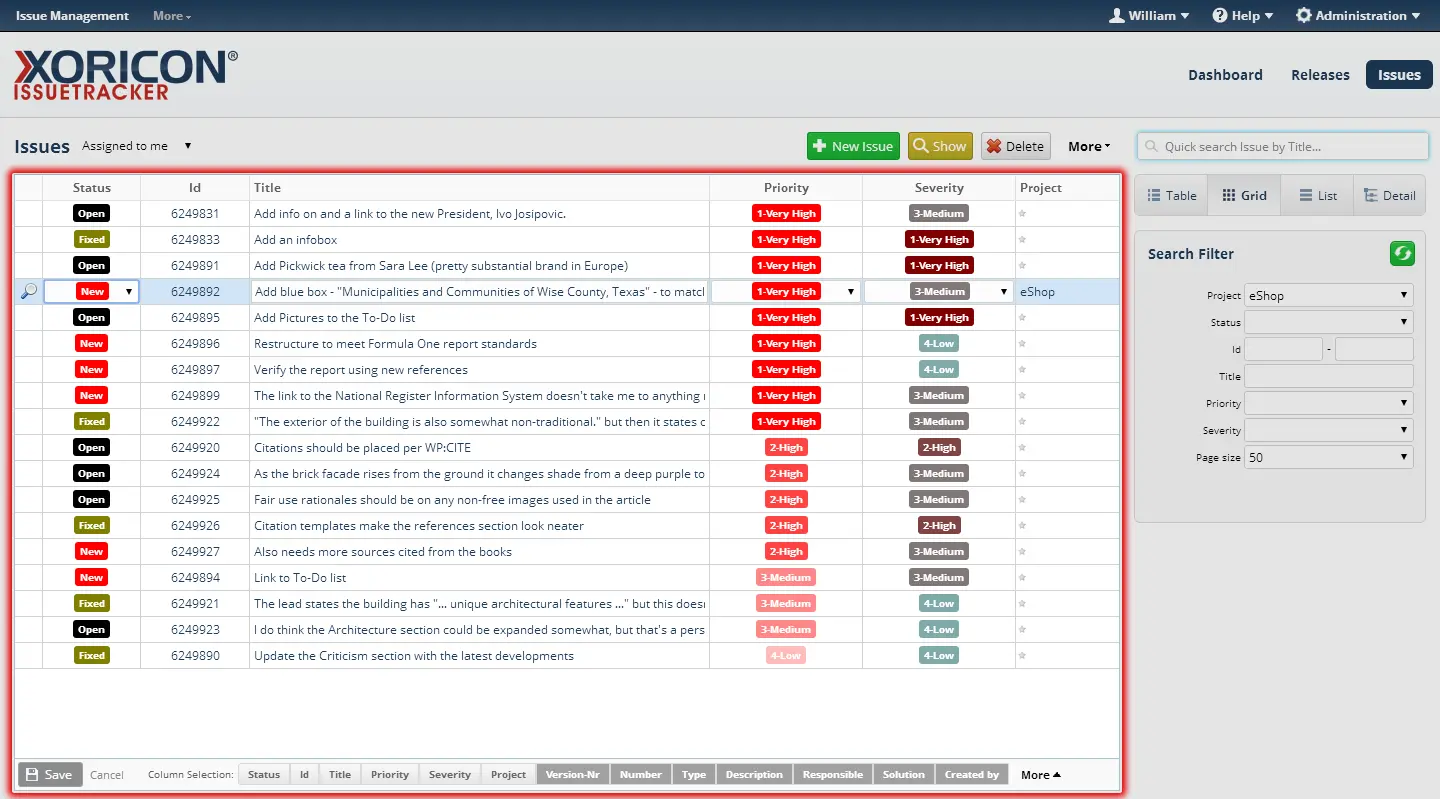
Grid views
Typical use cases
Scenarios where the product can apply its strengths.
Defect tracking in development and QA processes
Service request and task management
Ticket analysis through filters, exports, and reports
Release-based defect and change tracking
Modeling custom support, service, or change processes
Frequently asked questions
Compact answers that explain the product and suitable use cases.
What is XORICON IssueTracker?
IssueTracker helps teams capture, prioritize, filter, and track defects, tasks, service requests, change requests, and ideas.
Who is XORICON IssueTracker for?
XORICON IssueTracker is primarily built for Support, development, and QA teams, Organizations with adaptable ticket processes, Teams with defect and request tracking needs.
Which capabilities does XORICON IssueTracker cover?
XORICON IssueTracker covers capabilities including Manage tickets, Use views and filters, Model relationships, Control notifications, Bulk updates and exports, Extend the data model.
What are typical use cases for XORICON IssueTracker?
Typical use cases are Defect tracking in development and QA processes, Service request and task management, Ticket analysis through filters, exports, and reports, Release-based defect and change tracking, Modeling custom support, service, or change processes.
Related products
More applications from the same product family.
XORICON TestQA
TestQA connects reusable test cases, requirements, releases, issues, branches, and baselines in a structured ALM tool for traceable quality management.
XORICON TestLab
TestLab supports planning, structuring, executing, and evaluating tests with requirements, test suites, issues, release context, reports, and dashboards.
XORICON Requirements
Requirements helps teams manage business, product, and technical requirements hierarchically, track changes, and connect them to releases, issues, or other objects.
Could this product fit your initiative?
Let us discuss the use case, existing processes, and the right next step.